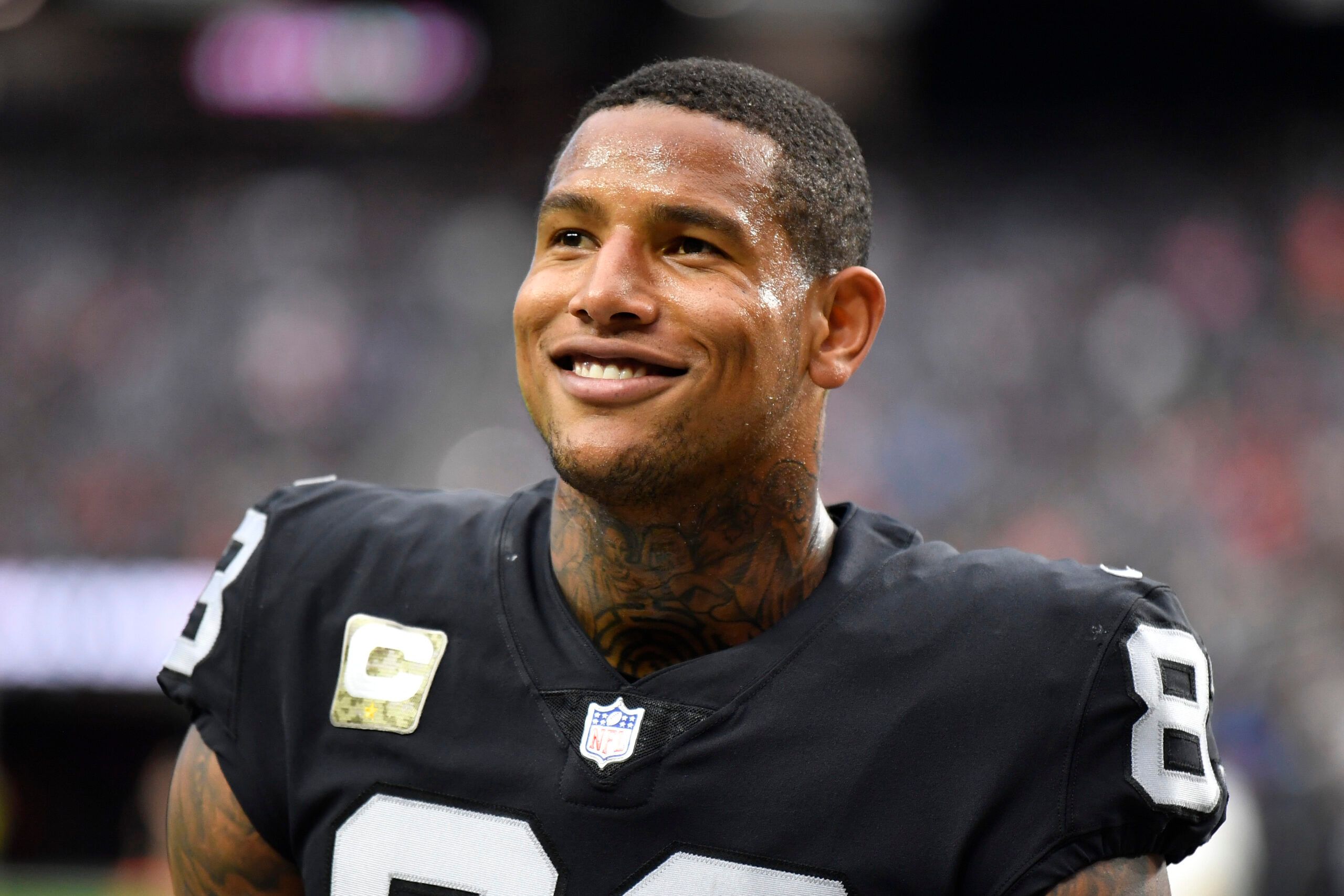
Darren Waller’s NFL Retirement: A Closer Look at a Life-Changing Decision
Darren Waller’s retirement from professional football has sparked numerous debates not only in the sports community but also in legal circles. In this editorial, we closely examine the pivotal moment when Waller decided to close the chapter on his NFL career, reflecting on the many tangled issues and confusing bits that arise in the interplay between personal choices, injury challenges, divorce proceedings, and the legal frameworks that govern sports contracts.
In a career that spanned nine seasons with three different teams, Waller’s decision came after a brief yet eventful stint with the New York Giants during his final NFL season. This editorial delves into that turning point – a moment that reveals how the twists and turns of life, both on and off the field, can force even the most celebrated athletes to reassess their futures.
Reflecting on an NFL Career Filled with Twists and Turns
Over the course of his NFL journey, Darren Waller experienced several high points as well as challenging episodes that tested both his professional resolve and personal life. Many fans followed his progress, watching as he contributed to the game with remarkable receiving yards. Yet, the underlying story sometimes remained hidden behind the bright lights of career achievements and media headlines.
When Waller mentioned that his “passion” for football had slowly been fading, he was not only commenting on the physical demands of the sport but also giving insight into a more personal inner struggle. For Waller, the decision to step away from the NFL was not made overnight, but rather emerged gradually during a particular game in Buffalo. His experience that day underlined some of the intimidating factors that professional athletes face, especially when confronted with rapidly changing circumstances on and off the field.
The Buffalo Game: A Moment of Personal Revelation
The pivotal game in Buffalo served as a microcosm for the challenging bits and tangles that athletes often encounter at the peak of their careers. During this game, Waller described experiencing an off-putting moment where a critical play was not called, leaving him to quickly assess his situation. While leading a counter lead running play, he found himself playing a role that he felt was not in line with his evolving identity as an athlete.
In his own words, he recalled sitting on the sidelines, looking at the moon, and questioning the purpose behind his continued participation in the sport. This moment of introspection came early in the game and set the stage for his ultimate decision. It is important to note that such instances often carry a heavy weight in the athlete’s mind; the intricate details of on-field play, the confusing bits of the game’s management, and a personal reckoning with one’s future can create a nerve-racking cocktail of decisions.
Key Elements of the Buffalo Encounter:
- Play Discrepancy: The controversial play early in the game highlighted a moment when a call, or lack thereof, triggered immediate self-reflection.
- Role Reassessment: Waller’s position on the field shifted unexpectedly, forcing him to question if continuing in that role was truly fulfilling.
- Internal Dialogue: The time he spent on the sidelines, pondering his future, was a clear signal of a turning point in his career.
This incident stands as a prime example of how professional athletes must sometimes confront the less glamorous, more tangled issues hidden behind the spectacle of the game. It was a defining moment that contributed strongly to his decision to retire.
The Legal Landscape of NFL Contracts and Retirement Decisions
Waller’s surprising exit from the NFL comes with its own set of legal implications. Professional sports contracts are often loaded with legal details that can be intimidating for even the most astute players and their representatives. These agreements cover not only compensation but also injury protocols, endorsement obligations, and post-career benefits. Understanding these legal frameworks is super important when evaluating the career decisions of any high-profile athlete.
Some of the more complicated pieces of these contracts include:
- The fine points of injury and rehabilitation clauses, where players can face nerve-racking delays or reduced benefits.
- The subtle parts regarding retirement provisions and what happens in terms of financial settlement when athletic careers end prematurely or by choice.
- The hidden complexities of endorsement termination clauses and how their renegotiation can affect an athlete’s income post-retirement.
Waller’s career transition sheds light on how personal decisions and legal frameworks become intertwined. Close observation of his retirement reveals not only the emotional and physical toll of a rigorous sports career but also calls attention to the essential need for athletes to understand every little twist and turn of their contracts.
Legal Considerations in NFL Career Transitions
| Aspect | Description |
|---|---|
| Contractual Obligations | Detailed agreements on compensation, duration, and specific event triggers such as injuries or retirement. |
| Injury Clauses | Provision specifics outlining rehabilitation or compensation adjustments when an athlete faces injury challenges. |
| Retirement Benefits | Legal details that define the transition support provided following the conclusion of an athlete’s active career. |
| Endorsement Agreements | Terms that govern the termination or continuation of marketing and sponsorship contracts after retirement. |
These contractual elements are crucial when athletes decide to step away from the field. It is a clear reminder that managing your way through professional sports requires not only physical prowess and resilience but also an in-depth understanding of legal obligations. Darren Waller’s journey underscores the need to take a closer look at these agreements well before a decision is made.
Personal Life Challenges and Their Impact on Athletic Careers
Beyond the game, Darren Waller’s final NFL season was punctuated by significant events in his personal life, notably his divorce from WNBA star Kelsey Plum. The dissolution of the marriage added an emotionally charged layer to his decision-making process. Like many aspects of sport, personal life and professional life are often closely linked, creating additional confusing bits and intimidating challenges that athletes must face.
When personal turmoil strikes, especially at a professional level, it can influence an athlete’s ability to perform and feel connected to the sport. Waller’s divorce, which concluded in Las Vegas in April 2024, dovetails with a challenging season riddled with physical setbacks, such as his hospitalization and missed games due to a hamstring injury. These non-football-related twists and turns remind us that professional athletes are just as human as the rest of us.
Impact of Personal Struggles on Athletic Performance
- Emotional Stress: Personal events, such as the breakdown of a significant relationship, can lead to overwhelming emotional burdens.
- Physical Recovery: Injuries, compounded by emotional stress, often require additional recovery time and can delay performance.
- Focus and Drive: The distraction of personal issues may cause athletes to question the long-term sustainability of their professional careers.
By examining these factors, we can appreciate how the dividing lines between a player’s personal and professional lives often blur. The experience of tragic chapters, like a painful divorce paired with intense competition, makes a strong case for why some athletes reach a point of irreversible decision-making. For Darren Waller, these combined challenges precipitated a decision that was as much about reclaiming his quality of life as it was about withdrawing from a relentlessly demanding career.
The Broader Legal Context: Employment Law and Athlete Rights
In the current sports industry, the legal landscape surrounding athlete contracts and employment rights is an evolving subject. The NFL, like many professional sports leagues, must constantly address how athletes’ contracts are formed, executed, and, eventually, terminated. This broader context is critical when appraising decisions like Waller’s retirement.
One cannot ignore the legal tension that exists between the interests of teams and the rights of players. While contracts are designed to protect both sides, they can sometimes leave athletes feeling boxed in by requirements that do not account for the full human experience. For instance, if a player is enduring the overwhelming burden of personal and physical issues, contract loopholes and complicated pieces of bureaucracy can turn the situation into one full of problems.
Key Legal Aspects in Athlete Rights
- Contractual Flexibility: The need to allow athletes smoother transitions when injuries or personal challenges arise is critical in modern sports law.
- Emotional and Physical Well-being: Legal frameworks are gradually acknowledging that an athlete’s health must come first, encouraging more humane approaches in contract management.
- Retirement Provisions: Well-drafted contracts increasingly include clear guidelines that allow players to disengage safely from active employment when needed.
These considerations are not just academic; they have real-world implications for athletes like Darren Waller. His story contributes to a growing body of examples where the hidden legal details of sports contracts directly inform a player’s decision-making process. In hindsight, the legal obligations tied to his career were likely as significant as the personal and on-field challenges he encountered.
Weighing the Costs and Benefits of Professional Sports Careers
The debate surrounding the costs and benefits of a career in professional sports is a recurring theme in legal and public discussions alike. On one side, the allure of fame, financial success, and personal achievement is undeniable, offering key opportunities that many might consider life-changing. However, behind the glamour lies an often nerve-racking reality where the physical and emotional demands, not to mention the layered legal commitments, can come at a considerable cost.
For Darren Waller, making the decision to retire meant acknowledging that the twists and turns of an NFL career were no longer sustainable. When a player is caught between extraordinary professional demands and problematic personal circumstances, the scales might tip in favor of a life off the field.
Let’s consider a simplified list of the major factors that frequently weigh heavily on an athlete’s mind when contemplating retirement:
- Physical Health: Chronic injuries or a prolonged recovery period can greatly diminish the quality of life.
- Emotional Well-being: The impact of personal issues, such as divorce or mental fatigue, might override the excitement of competition.
- Contractual Obligations: Complicated pieces of contract law can make continuing a career unduly challenging.
- Family and Future Prospects: The desire to redirect energy toward family or new ventures often exceeds the draw of professional sports.
Each of these factors represents not just an element of the overall decision, but a critical area where legal advice and clear policies can support athletes during transitions. In Waller’s case, the interplay of these elements clearly pointed toward a future off the gridiron.
Lessons Learned from a Pivotal NFL Exit
There are several subtle details and fine shades of insight to be gleaned from Darren Waller’s abrupt and thoughtful exit from the NFL. First and foremost, he highlighted the importance of self-awareness and the ability to recognize when it is time to move on from a path that no longer offers fulfillment. This is a lesson that transcends sports and enters the realm of broader life decisions, where weighing the benefits against the challenges is an ongoing process.
Another key takeaway is the necessity for athletes to be proactive in managing their contractual and legal responsibilities. By adding clarity to the fine points of contracts and negotiating terms that prioritize an individual’s overall well-being, sports organizations and legal advisors can help ensure that the career transitions are as smooth as possible.
Furthermore, Waller’s decision serves as a reminder that there is no one-size-fits-all choice when it comes to career longevity. The available options may sometimes feel intimidating or loaded with issues, but understanding every small distinction in your legal and professional agreements is a must-have for any athlete.
Key Takeaways from Waller’s Retirement:
- Self-Reflection is Crucial: Athletes must take time to assess their physical and emotional health, especially when faced with intimidating challenges.
- Legal Preparedness: Understanding the hidden complexities of contracts and retirement provisions can empower players to make informed decisions.
- Personal Well-being: Balancing professional pursuits with personal life is essential for long-term satisfaction.
- Future Planning: A well-planned transition strategy can redefine success beyond the sports career.
Waller’s experience is a call to all athletes, legal professionals, and sports managers to take a closer look at the overall ecosystem that supports athletic careers. With the right guidance and proactive measures, the many nerve-racking aspects of professional sports can be transformed into manageable pieces of a much larger puzzle.
Implications for the Future of Professional Sports
The debates spurred by Waller’s retirement extend well beyond the individual story of one athlete. His example prompts us to analyze how professional sports as a whole can evolve to better address the challenges that players face. There are several areas where both legal frameworks and sport management policies can work together to reduce the overwhelming and confusing bits of an athlete’s career journey.
Looking ahead, several reforms could prove beneficial:
- Enhanced Contract Clarity: Clearer terms in contracts will help athletes figure a path through the tricky parts related to injuries, personal issues, and eventual retirement.
- Health and Wellness Programs: Integrating robust support systems that cater to both physical and mental health could ease the overwhelming pressures associated with professional sports.
- Flexible Retirement Clauses: Allowing for smoother transitions between active play and retirement provides players with the freedom to choose the right moment to exit their careers gracefully.
- Legal Advocacy: Strengthening legal support structures for athletes ensures they have the means to understand and manage every little twist of their contracts.
In an era where the small distinctions in personal and professional life can determine the direction of a career, the timeline of Darren Waller’s NFL journey offers a lens through which future reforms can be viewed. It is super important for both legal practitioners and sport governing bodies to work together, making sense of the confusing bits and negotiating the hidden complexities that influence the life trajectories of athletes.
Finding Your Path: The Role of Legal Counsel in Supporting Athletes
One of the critical elements that emerge from this narrative is the role of legal counsel in guiding athletes through their careers. For many players, legal advice is not just about understanding contracts; it is about steering through the tangled issues that arise when professional sports intersect with personal life challenges.
In sports law, it is common to see cases where the legal mechanisms intended to protect a player can sometimes feel overly complicated or intimidating. Whether it’s dealing with injury-related provisions, career termination clauses, or disputes regarding endorsements, having solid legal support can make all the difference. Professional legal teams have the expertise to carefully poke around the hidden aspects of contracts and provide athletes with the clarity needed to make informed choices.
Some of the specific roles that legal professionals play include:
- Contract Review and Negotiation: Helping athletes understand every subtle detail and little twist hidden in lengthy legal agreements.
- Dispute Resolution: Assisting in navigating legal conflicts that may arise from misunderstood or ambiguous contract clauses.
- Exit Strategies: Advising on the best legal pathways for retirement and ensuring that future financial stability is maintained.
- Advisory on Personal Legal Matters: Offering guidance on issues such as divorce settlements or disputes over personal endorsements that can affect an athlete’s career.
In essence, the legal counsel not only serves to validate the choices made by athletes like Waller but also ensures that every complicated piece of the contractual puzzle is transparent and manageable. This robust support is increasingly recognized as a key factor in modern sports administration.
A Broader Perspective: Athlete Welfare and Organizational Responsibility
The story of Darren Waller is emblematic of a broader issue facing professional sports organizations today — the need to prioritize athlete welfare over sheer competitive and financial success. While the business of sports is undoubtedly driven by high stakes and big money, it must also contend with the human element that underpins every move on the field.
There is an urgent need for sports teams and leagues to take into account the off-field struggles that can color an athlete’s performance. From managing workouts around injuries to handling personal crises such as divorces, the league must get into creating comprehensive support systems. These systems should encompass:
- Mental Health Resources: Initiatives aimed at reducing the stressful bits and the overwhelming aspects of professional sports by providing counseling and therapy.
- Career Transition Programs: Structured plans that offer guidance on navigating from active sports careers to other ventures, ensuring financial and personal stability post-retirement.
- Family Support Services: Assistance for players and their families to cope with the peculiar challenges that come with life in the spotlight.
- Ongoing Legal Education: Workshops and seminars that help players understand every little detail of their contracts and legal rights.
By placing a super important emphasis on the welfare of athletes, organizations can foster an environment where professional success does not come at the cost of personal happiness and legal disputes. The balance between competitive spirit and personal well-being is delicate, and careful attention must be paid to both sides of the equation.
Concluding Thoughts: Moving Forward with Greater Understanding
Darren Waller’s decision to retire is not just a story about leaving the gridiron; it encapsulates the deep, underlying struggles that can prompt anyone to rethink their life’s journey. The blend of physical injuries, legal tangles in sport contracts, and the unexpected waves of personal life challenges provides a comprehensive case study on the realities of contemporary sports careers.
This examination has allowed us to take a closer look at both the visible and hidden complexities that shape the lives of professional athletes. As we consider the future of sports, the essential takeaway should be the importance of balancing performance with personal welfare and clear legal guidance.
For those of us invested in sports law and athlete rights, Waller’s story underscores the need to find your way through every confusing bit of your career path. Whether you are an athlete, a legal advisor, or a sports executive, it is super important to recognize and plan for the nerve-racking twists and turns that lie ahead. By implementing structures that support personal well-being and providing thorough legal backing, the transition from sports to everyday life can become a well-managed journey rather than a nerve-wracking leap.
Ultimately, this reflective narrative invites us all to consider the broader implications of our work in sports law: the importance of self-awareness, the necessity for robust legal frameworks, and the immeasurable value of athlete welfare. Darren Waller’s retirement is a clarion call to re-examine our systems, keeping in mind that every athlete deserves a path that honors both their professional contributions and their personal journeys.
As the discussions around sports contracts, career transitions, and legal rights continue to evolve, let this case serve as a reminder that the game extends far beyond the field. It is a complex dance of professional, personal, and legal elements, each playing a part in shaping a life well-lived. And in that intricate interplay, we find the true, lasting legacy of what it means to navigate a career in professional sports.
In the end, while the spotlight may fade on an athlete’s active career, the lessons learned and the legal precedents set will always contribute to the ongoing dialogue about fairness, support, and opportunity within the sports arena. Darren Waller’s choice to retire, made in a moment of deep reflection and amid a backdrop of both professional and personal turbulence, offers us all valuable insights into the art of finding one’s path when the stakes are high and every decision carries weight.
Originally Post From https://www.wccsradio.com/rss/former-giants-star-darren-waller-reveals-moment-he-realized-he-was-definitely-done-playing-in-the-nfl/
Read more about this topic at
Former Giants star Darren Waller reveals moment he …
Darren Waller explains in a song why he decided to retire …