
Opinions on Federal Authority and State Sovereignty in Times of Crisis
The recent events unfolding in Los Angeles have stirred up a storm of opinions regarding federal authority, state sovereignty, and the role of the National Guard during turbulent times. As protests escalate and questions of “Who’s really in charge?” echo across the nation, this opinion editorial takes a closer look at what these developments mean for the balance between state rights and federal power. We will get into this discussion by considering historical precedents, the tricky parts of constitutional law, and the impact on everyday civil liberties.
Understanding the President’s Unconventional Move in California
In a move that many are describing as both unprecedented and nerve-racking, President Donald Trump has mobilized the California National Guard without an official invitation from Governor Gavin Newsom. This unilateral action marks the first time in over six decades that a president has taken control of a state’s military resources under such circumstances, prompting a cascade of legal debates and public outcry. Critics argue that this decision undermines the traditional roles of state governments, while supporters claim that in times of riot and public suffering, swift federal intervention is essential.
From a legal point of view, this controversial decision is wrapped up in the twists and turns of constitutional law. The import of the Insurrection Act lies in its allowance for federal involvement when state authorities are perceived to be unable or unwilling to control chaos. However, the decision to deploy federal troops in a state without explicit state consent creates a tangled issue, where the delicate balance between state authority and federal emergency powers turns into a minefield of legal and political problems.
Historic Power Clash: The President, the National Guard, and State Sovereignty
Historically, states have maintained primary control over their National Guard units as an expression of state sovereignty and self-determination. The current scenario, where the President has effectively bypassed this longstanding tradition, brings to light a number of confusing bits about federal overreach and state rights. The 10th Amendment, which underscores the importance of state authority, now finds itself at odds with the demands placed on the federal government to restore order during times of social upheaval.
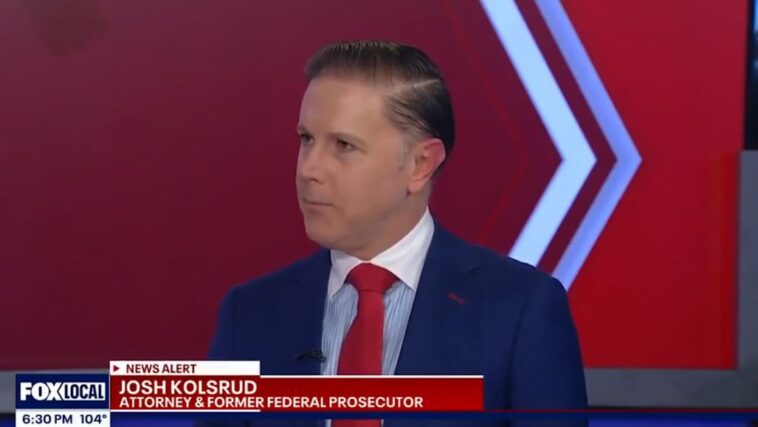
When we consider the legal history, one cannot ignore the echoes of past power struggles where federal and state powers clashed. Yet, unlike previous instances, the current predicament involves modern political dynamics and the media spotlight on constitutional debates. As defense attorney Josh Kolsrud emphasized on Fox 10 News Phoenix, “There definitely is a state sovereignty issue … Gavin Newsom wants to be in charge of his own National Guard.” This statement reflects widespread concern that, without proper state authority, the federal government may become too dominant in local matters, potentially setting a risky precedent for the future.
Legal Ramifications and Constitutional Questions
The decision to deploy federal troops without state approval has sparked a heated debate about the limits of presidential power. Legal experts suggest that while the Insurrection Act may empower the President during emergencies, its application in this context is riddled with tension. The situation brings up several key legal questions:
- Does the President have the authority to take control of a state’s National Guard without a governor’s request?
- If the situation does not reach the threshold for invoking the Insurrection Act, what remedies are available for states?
- Could the President’s actions trigger political repercussions such as impeachment or legal challenges based on established laws like the Posse Comitatus Act?
Each of these questions poses its own set of complicated pieces that need to be carefully unraveled. On one hand, proponents of the move argue that, faced with violent protests and escalating riots, federal intervention is necessary to protect lives and property. On the other hand, opponents see the move as an overreach of executive power that places federal interests above state rights. Without clear guidance, the final word on this legal standoff may ultimately be left to the courts, potentially reaching the Supreme Court in a case that is as much political as it is legal.
Assessing the Impact on Community Trust and Public Safety
Beyond the constitutional and legal debates, the decision to deploy National Guard troops in California has immediate social implications. Many residents find themselves caught in a situation that, while aiming to restore order, also raises serious concerns about civil liberties. The actions of federal forces, even under the confines of law, may unintentionally contribute to heightened anxiety as people question the potential for overreach at the doorsteps of their homes.
Defense attorney Kolsrud reassured viewers by underscoring the importance of due process. He highlighted that any search or arrest conducted by federal agents must meet strict legal standards, including obtaining a judicial warrant endorsed by a judge. This reassurance is critical in a climate where community members fear that their rights might be infringed upon in the name of security. The tension here reflects a broader challenge: balancing the need for swift action during emergencies with the fundamental rights that underpin a free society.
Preserving Civil Liberties Amid Federal Intervention
One of the central concerns raised by the current crisis is the protection of civil liberties. While the principal aim of deploying federal forces is to quell violence and restore order, it is essential to remember that such actions must never come at the expense of individual rights. The legal safeguards designed to protect citizens—such as the requirement for a warrant and the principle of probable cause—remain in force, even during times of national unrest.
Here are some important points to consider regarding civil liberties in this scenario:
| Key Principle | Description |
|---|---|
| Judicial Warrants | Federal agents cannot enter homes or detain individuals without obtaining a warrant signed by a judge, ensuring oversight and protection of personal privacy. |
| Probable Cause | Any arrest or search must be backed by probable cause, meaning there is a reasonable basis to believe that a crime has been committed. |
| Due Process | Even under federal intervention, the rights to a fair trial and proper legal procedures remain intact. |
These safeguards are not mere formalities. They serve as counterbalances to prevent any potential abuse of power during federal deployments. By maintaining these checks and balances, the legal system seeks to ensure that even aggressive measures meant to restore public order do not trample on the rights of individuals.
Federal Troops: A Double-Edged Sword
The deployment of federal troops in Los Angeles has been described by many as being both reassuring and, paradoxically, a source of added tension. On the one hand, the visible presence of organized forces can help restore a sense of safety in neighborhoods that have experienced chaos and unrest. Residents in affected areas might breathe a temporary sigh of relief knowing that there is a robust response to ongoing disturbances.
On the other hand, the federal intervention may inadvertently intensify the situation. Protests that were already full of problems might escalate further when citizens perceive the involvement of distant federal authorities rather than local law enforcement. This perception can complicate efforts to de-escalate violence and foster community trust.
Many community leaders stress the importance of ensuring that any intervention is done in concert with local authorities. Effective de-escalation is not simply a matter of deploying more troops; it requires engagement with community leaders and protest organizers who understand the local context. In practical terms, working through the conflict demands cooperation, clear communication, and a balanced approach that respects both the need for security and the rights and opinions of local citizens.
Community Perspectives: The Impact of Federal Overreach
For many residents in Los Angeles and neighboring areas, this episode is more than just a headline; it represents a profound shift in how power is exercised in their communities. The mix of federal and state authority has left many questioning whether their local leaders will be sidelined in favor of a top-down approach. This is a legitimate concern, as local governments are typically more in tune with the specific needs and challenges of their communities.
The situation has prompted many to reflect on how federal and state powers should interact during emergencies. Several community forums have been organized where citizens are discussing policies that outline clearer boundaries between the roles of federal agents and local law enforcement. Key discussion points include the importance of community engagement, transparency in decision-making, and the need for legal frameworks that can adapt to rapidly developing situations.
A summary of common concerns voiced by community members includes:
- Fears of federal agents overstepping legal bounds and infringing on privacy rights.
- Anxiety about the potential for escalating violence due to mixed command structures.
- Uncertainty regarding who will ultimately be held accountable if legal questions remain unresolved.
These discussions are a reminder that any action taken in the name of restoring order must be weighed against its impact on trust and cooperation between the community and those in power. The need to manage your way through such situations without alienating the public is a key aspect that policymakers and law enforcement officials must consider.
The Fine Points of Constitutional Interpretation and the Insurrection Act
A significant source of debate centers around whether the current crisis meets the threshold required to invoke the Insurrection Act. This piece of legislation has historically served as a critical tool for federal intervention when local authorities are overwhelmed. However, when a president employs this power without evident trigger conditions, it opens up a host of legal challenges and muddy legal waters.
Legal scholars point out that the Insurrection Act was designed for scenarios in which state governments have clearly lost the ability to maintain order. The current situation, however, is characterized by conflicting reports: while some areas are gripped by violent protests, others see a more measured response from local authorities. This disparity raises important questions:
- What constitutes a sufficient level of disorder to warrant extreme federal intervention?
- How should ambiguous situations be handled without tipping the balance in favor of unchecked federal power?
- What mechanisms exist to hold the executive branch accountable should an overreach occur?
These are not merely academic questions. They carry significant real-world implications for the functioning of American democracy. As the debate unfolds, many legal experts warn that if the acting president continues along a path that appears to sidestep traditional limits, the consequences could be severe, including potential impeachment proceedings and an expanded interpretation of executive power that may persist long after the current crisis subsides.
This legal tug-of-war is replete with little twists about the hidden complexities of constitutional law. It compels us to ask: when does the need for decisive action blur the lines of constitutional adherence? Every step taken in the name of public safety carries with it a responsibility to ensure that the nation’s foundational principles remain intact.
Historical Precedents: Lessons from the Past
When exploring similar cases from the past, it becomes evident that the delicate balance of power between federal and state governments has often been put to the test. For instance, during the era of President Andrew Jackson, decisions made on the battlefield of political power sometimes led to outright defiance of judicial authority, as seen during the Trail of Tears. While the context was very different, the echoes of that era can be felt in today’s debates over federal troop deployments.
History teaches us that whenever federal authority dramatically overshadows state autonomy, there is a risk of setting dangerous precedents. A notable lesson here is the importance of ensuring that major decisions are not made in haste and without proper dialogue between the branches of government. The current situation in Los Angeles presents an opportunity for a sober reexamination of the roles of executive power and state rights in a modern context.
This historical perspective forces us to consider several key points:
- Respect for state sovereignty has long been a bedrock of American federalism.
- Any drastic shift in power dynamics should be met with cautious scrutiny and robust legal debate.
- There is a need for clearly defined legal thresholds to guide when and how federal intervention should occur.
By drawing on lessons from the past, we can hopefully sort out the challenging dimensions of this current crisis in a way that respects both the need for public order and the foundational rights enshrined in the Constitution.
Civil Liberties and Community Safety: A Balancing Act
One of the most pressing concerns arising from federal intervention in domestic crises is the challenge of preserving civil liberties without compromising public safety. It is a nerve-racking prospect to imagine the possibility of an overly aggressive response where federal forces might disregard the rights of citizens. As seen in recent discussions, the assurance that federal agents require judicial warrants and must adhere to probable cause has remained a keystone of legal protections.
This careful balancing act rests on two pillars:
- Protection of Individual Rights: The judicial requirement for a warrant before entering a home or executing a search ensures that there are checks in place. This measure functions as a shield against potential oversteps by federal troopers and reinforces the idea that no one is above the law.
- Sustaining Public Confidence: When citizens are aware that their rights remain intact—even in times of crisis—they are more likely to support law enforcement efforts intended to restore safety and order. This is critical to ensuring that the response to unrest is seen as both legitimate and necessary.
The two pillars mentioned above are interdependent. Without safeguarding individual rights, public confidence in law enforcement quickly erodes, and the very purpose of deploying federal forces—to establish trustworthy order—could be compromised. Conversely, too much legal rigidity in emergencies might impede rapid action when it is most needed. Therefore, this contentious period demands a nuanced approach that not only delivers security but also respects and upholds civil liberties.
Working Through Community Reactions and Concerns
Community reactions to federal intervention are mixed. For some, the presence of a federal force is a comforting reminder that action is being taken to stop the riots and restore peace. For others, it is a frightening signal that the rights they have long taken for granted may be at risk. This dichotomy is reflected in the local dialogue, with heated discussions about how best to strike a balance between order and freedom.
To better understand this divide, consider the following bullet points summarizing community perspectives:
- Supporters of Federal Intervention: They believe that when local officials seem unable to control the situation, a strong federal presence is the only way to protect life and property. The emphasis here is on rapid, decisive action in moments of crisis.
- Opponents of Federal Overreach: They express dismay that central government action bypasses local input and potentially undermines intuitively performed local governance. Increased federal involvement may come with unwanted surveillance, rigorous enforcement tactics, and a lingering skepticism about the intentions behind such moves.
Despite these divisions, there is a broad consensus on one critical point: the need for transparency, accountability, and adherence to the rule of law. Whether one supports federal deployment or champions state sovereignty, the public demands that any intervention be carried out with every precaution to protect individual freedoms.
The Road Ahead: Balancing Security, Accountability, and Constitutional Integrity
Looking forward, the current crisis in Los Angeles is likely to have long-lasting repercussions on the dialogue between state governments and federal authorities. The legal challenges and political debates that we witness today could redefine the way emergency powers are employed in the future. The need to figure a path that respects both national security and constitutional safeguards is more pressing than ever.
Several important steps may help in carving out a balanced framework for future crises:
- Clearer Legal Guidelines: One of the most pressing needs is for a transparent legal standard that clearly outlines when and how federal resources can be utilized. This includes defining the precise threshold of public disorder that justifies federal intervention.
- Enhanced Communication Protocols: Effective communication between federal authorities, state officials, and local law enforcement is critical. Timely, honest communication can help reduce misunderstandings and ensure that all parties are aligned in their objectives.
- Community Involvement: Policymakers and law enforcement agencies should engage community leaders and the public in discussions about emergency responses, helping to build trust and ensure that measures taken in times of crisis reflect the values of the people.
Adopting such multi-level dialogue not only helps ease the tension associated with federal overreach but also reinforces the idea that in a democracy, every layer of government has a role to play—each with its own set of responsibilities and limitations. By working with community feedback, state perspectives, and federal imperatives, policymakers can set a standard that is both robust in action and respectful of individual rights.
Strategies for Restoring Trust Between Federal and State Institutions
Restoring trust in the wake of controversial decisions is a long process, requiring consistent effort and genuine dialogue. Here are some strategies that could help mend the strained relationships between state institutions and federal authorities:
| Strategy | Approach |
|---|---|
| Joint Task Forces | Creating mixed-command teams that include state officials, local law enforcement, and federal agents can foster collaboration and mutual understanding. |
| Public Forums | Organizing public town halls and forums where community members can ask questions and receive clear answers builds transparency and trust. |
| Legislative Reviews | Periodic reviews of the legal frameworks governing emergency power can ensure that evolving challenges are met with updated, equitable policies. |
By taking such steps, the government can address both the immediate challenges posed by civil unrest and the longer term implications of shifting power dynamics. The emphasis on cooperation and transparency is not only essential for public trust, but also for ensuring that emergency responses are both effective and constitutionally sound.
Final Thoughts: Charting a Future of Balanced Power and Protected Rights
The unfolding events in Los Angeles serve as a stark reminder of the delicate equilibrium maintained between state authority, federal power, and individual rights. As the debate continues in courtrooms, legislative halls, and community meetings, the nation’s future hinges on how effectively we address the challenging parts of these intertwined issues.
While the activation of federal resources during emergencies is sometimes an essential tool for restoring order, such measures must be carefully weighed against the potential for overreach. The current crisis exposes not only the fine points of constitutional law but also the very real impact on everyday freedoms. As citizens, we must remain vigilant and engaged, ensuring that no branch of government—whether state or federal—becomes too dominant at the expense of the principles that have long defined the American legal and political landscape.
This period of tension, though daunting and filled with confusing bits of legal ambiguity, provides us with an opportunity to sort out our values and refine the frameworks that guide governance. It calls for a measured reconciliation between the needs of crisis management and the preservation of civil liberties—a challenge that requires community engagement, legal oversight, and the willingness to get into the details of constitutional debate.
In conclusion, the decision to federalize the California National Guard without a governor’s invitation is emblematic of larger struggles over power, accountability, and the enduring balance between federal and state authority. The coming months and years may indeed well define how these conflicts are resolved—and how America, as a nation, chooses to protect the rights of its citizens while addressing the myriad challenges of modern governance.
As we continue to watch these events unfold, let us be reminded that the ultimate strength of our democracy lies in its ability to adapt, debate, and ultimately find a common ground where security and freedom are inextricably linked. It is not just a matter of who holds the reins of power today, but how the lessons learned during this nerve-racking, historically loaded period will shape the future of our nation.
Moving forward, policymakers, legal experts, and citizens alike must work together to ensure that the nation’s response to crisis remains balanced, lawful, and respectful of the freedoms that have defined our society since its inception. Whether through more clearly defined legal protocols, better coordination among various levels of government, or a renewed commitment to transparency, there remain many steps to take on the path to reform.
By embracing these changes and fostering a spirit of cooperation, we can aspire to create a future in which the struggles we face today are remembered not as moments of division, but as catalysts for a stronger, more resilient democracy that honors both order and the inalienable rights of every individual.
The discourse surrounding federal intervention, state sovereignty, and civil liberties is undoubtedly complicated, but it is a conversation that must continue. In these times of upheaval, it is more than ever super important for all who care about our constitutional future to be active participants in this dialogue—ensuring that our nation remains a beacon of balanced power and protected individual rights for generations to come.
Ultimately, the road ahead will require us to figure a path through these challenging issues, to work through the fine shades of constitutional law, and to stand firm in our belief that no government, regardless of its intentions, should ever compromise the freedoms that are the cornerstone of our society. This is our call to action, our invitation to engage deeply, and our duty as citizens of a free nation.
Read more about this topic at https://kolsrudlawoffices.com/josh-kolsrud-on-fox10-news-insights-on-los-angeles-riots/
Related articles you might like
Comparing Federal & State Courts
Apprentice: Federal Versus State Government